- 06Oct
Common Types of Roof Flashings and Their Uses

A well-protected roof is essential for keeping your home safe from leaks, water damage, and weather-related wear. One of the most important components of a durable roofing system is roof flashings. These essential elements prevent water from seeping into vulnerable areas, protecting both your roof and the interior of your home.
Understanding the different types of roof flashings and their specific uses can help homeowners maintain a strong, leak-free roof. This guide explains the most common types of flashings, where they are used, and why they are essential for any roofing system.
What Are Roof Flashings?
Roof flashings are thin strips of metal or waterproof material installed at roof intersections, edges, or projections. Their main function is to direct rainwater away from vulnerable areas, such as roof joints, chimneys, skylights, and vents, and into gutters or downpipes.
Without proper flashings, even high-quality roofing materials can fail over time, leading to leaks, structural damage, and mould growth.
Why Roof Flashings Are Important
Roof flashings serve multiple purposes:
- Prevent Leaks: Seal roof intersections and gaps where water can penetrate
- Protect Structural Integrity: Avoid water damage to timber frames and roof decking
- Extend Roof Lifespan: Reduce wear and tear on roofing materials
- Improve Energy Efficiency: Maintain insulation effectiveness by preventing drafts and moisture
- Enhance Safety: Prevent mould and mildew growth caused by trapped water
Common Types of Roof Flashings
Different areas of a roof require specific flashings to ensure water is directed away from vulnerable points. Here are the most common types used in Australian homes:
1. Step Flashing
Step flashings are used at roof-to-wall junctions. Each piece of metal overlaps the one below, creating a watertight barrier that prevents water from seeping between the roof and wall.
Uses:
- Vertical walls meeting sloped roofs
- Chimney bases along walls
- Areas where siding meets roofing
Benefits: Durable and effective in preventing leaks along wall intersections.
2. Valley Flashing
Valley flashings are installed in the valleys where two roof slopes meet. They direct rainwater efficiently into the gutter system, preventing pooling or overflow.
Uses:
- Roof intersections with inward slopes
- Areas prone to heavy water flow
Benefits: Protects the roof from water accumulation and damage to roofing materials.
3. Drip Edge Flashing
Drip edge flashings are positioned along the edges of the roof, directing water away from fascia boards and gutters. They prevent water from seeping under shingles or tiles.
Uses:
- Roof edges and eaves
- Overhanging gutters
Benefits: Protects fascia boards, reduces water damage, and increases roof longevity.
4. Chimney Flashing
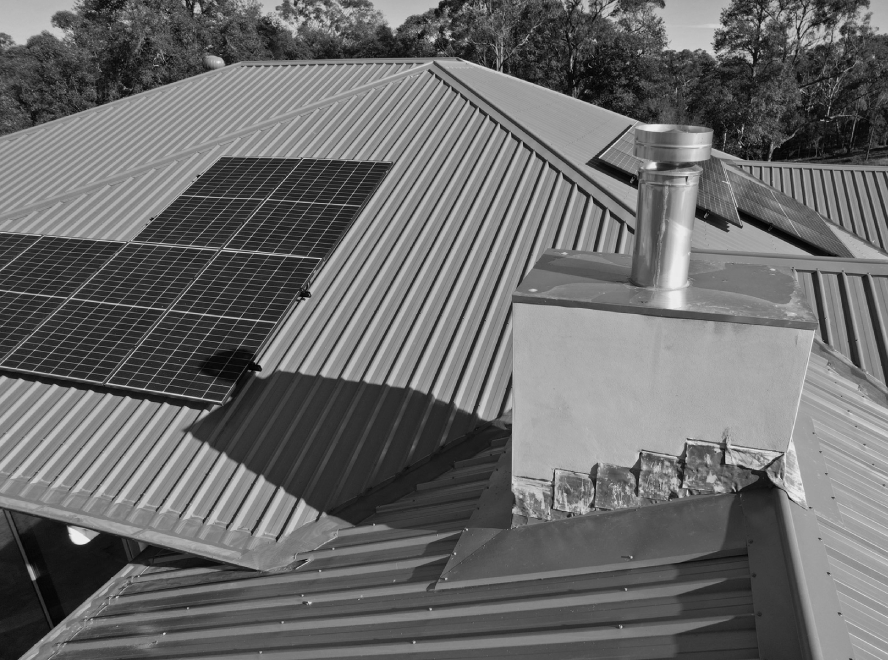
Chimney flashings seal the gap between the roof and the chimney structure. They typically include step flashings along the sides and counter flashings on top to provide complete protection.
Uses:
- Chimney bases
- Roof projections with vertical structures
Benefits: Prevents leaks at chimney joints and protects against water damage around chimneys.
5. Vent Pipe Flashing
Vent pipe flashings are used where plumbing or exhaust pipes penetrate the roof. They are shaped to fit snugly around the pipe, creating a waterproof seal.
Uses:
- Ventilation pipes
- Exhaust stacks
- Other roof penetrations
Benefits: Prevents leaks around small openings while maintaining roof integrity.
6. Continuous or Base Flashing
Continuous flashings run along extended roof sections such as parapets or ridges. They provide a continuous barrier to protect long stretches of roofing from water infiltration.
Uses:
- Roof ridges and hips
- Parapets and long wall intersections
Benefits: Offers long-term protection and reduces maintenance needs.
7. Counter Flashing
Counter flashings are installed over base or step flashings, particularly around chimneys or walls, to create an additional layer of protection.
Uses:
- Chimneys
- Roof-to-wall junctions
- Areas with multiple layers of roofing
Benefits: Enhances waterproofing by covering existing flashings and protecting vulnerable points.
Materials Used for Roof Flashings
Roof flashings are commonly made from durable materials to withstand Australian weather:
- Galvanised Steel: Strong, cost-effective, widely used
- Aluminium: Lightweight, rust-resistant, ideal for coastal areas
- Copper: Long-lasting, premium option with excellent corrosion resistance
- Lead: Flexible and corrosion-resistant, suitable for traditional roofing
- Colorbond Steel: Popular in modern Australian homes for durability and minimal maintenance
Choosing the right material ensures longevity, aesthetics, and low maintenance.
Installation Considerations
Proper installation is critical for the effectiveness of roof flashings:
- Flashings must overlap correctly to prevent leaks
- Fasteners should be corrosion-resistant
- Sealing and adhesives must comply with manufacturer guidelines
- Inspection is recommended after extreme weather events
Professional installation is highly recommended to guarantee long-term protection.
Maintenance Tips for Roof Flashings
To keep flashings performing effectively:
- Inspect annually for corrosion, loose fasteners, or damage
- Clean debris from roof valleys and edges to prevent water pooling
- Re-seal or replace damaged flashings promptly
- Check flashings around chimneys, vents, and skylights after heavy rain
Regular maintenance helps prevent leaks and extends the life of both the flashings and the roof.
FAQs About Roof Flashings
What Is The Purpose Of Roof Flashings?
Roof flashings prevent water from entering vulnerable areas of your roof, protecting your home from leaks and structural damage.
How Often Should Roof Flashings Be Inspected?
It’s recommended to inspect flashings at least once a year and after storms to ensure they remain effective.
Can Flashings Be Replaced Without Re-Roofing?
Yes, most flashings can be repaired or replaced individually, depending on roof access and type.
Which Flashing Type Is Used For Roof Valleys?
Valley flashings are specifically designed to direct water where two roof slopes meet.
Are All Flashings Made Of Metal?
Most flashings are metal, such as steel, aluminium, copper, or lead. Some modern options may use durable composite materials.
Conclusion
Roof flashings play a vital role in protecting your home from water damage. Each type of flashing serves a specific purpose, from preventing leaks around chimneys and vents to guiding rainwater safely along roof valleys. Choosing the right material, ensuring proper installation, and performing regular maintenance are essential for maintaining a durable, leak-free roof.
Investing in quality roof flashings not only safeguards your home but also enhances its longevity, energy efficiency, and overall value. Understanding the common types and their uses allows homeowners to make informed decisions and maintain a strong, watertight roofing system.